Product Safety & Recalls
Stay informed about product recalls, changing safety standards, and items that shouldn’t be offered for resale. This page provides reliable information and practical resources to help you protect your customers, your business, and the reputation of the resale industry.
Consumer product safety in resale is about three things:
-
What you are legally responsible for
-
What you should never take, no exceptions
-
Where to check when you are unsure
When you resell an item, even secondhand, you are considered part of the distribution chain. That means you can be held responsible for selling items that have been recalled or are considered unsafe, especially items intended for children. This is not about fear. It is about protecting customers, protecting your business, and sleeping at night.
Consumer Product Safety Comission | CPSC
Recalls & Product Safety Warnings | CPSC.gov
-
This is the main one. Search by product name, brand, or category. This should be your go to.
-
They issue recalls and safety warnings for most consumer products sold in the United States.
-
Furniture, toys, home goods, electronics, baby gear, seasonal items, and more.
Recently Recalled Items


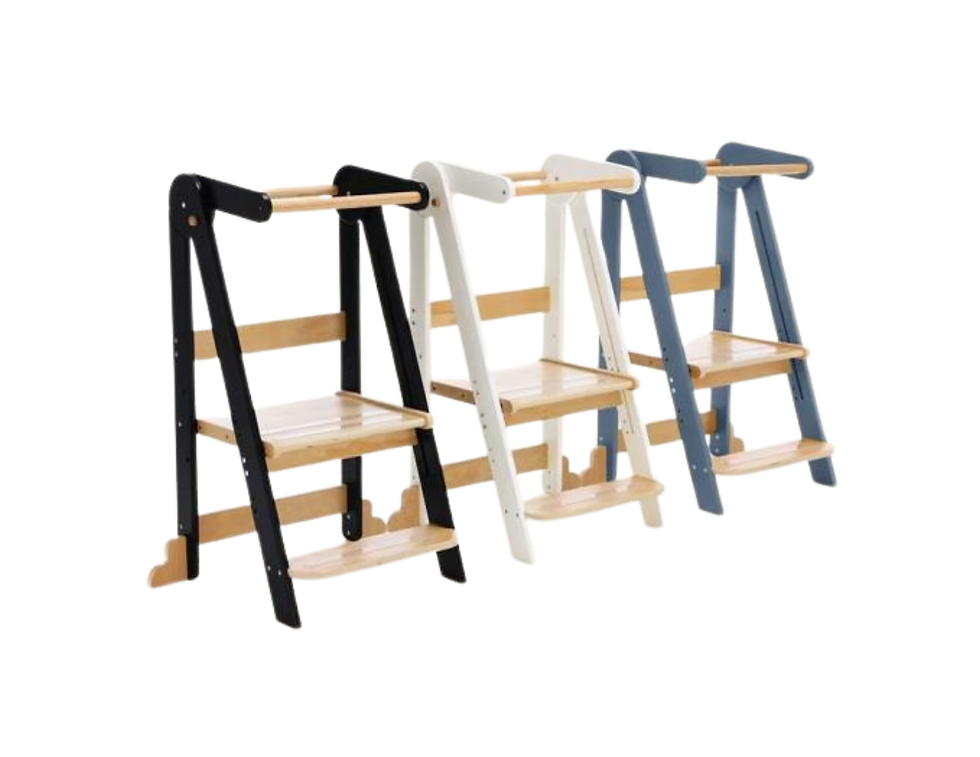
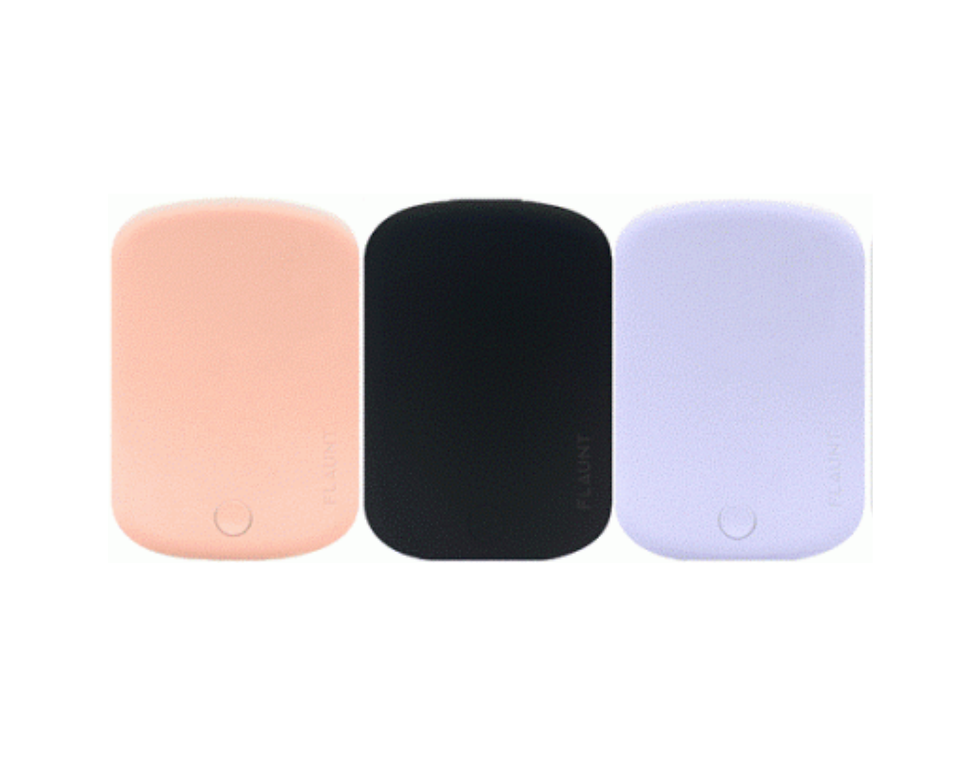
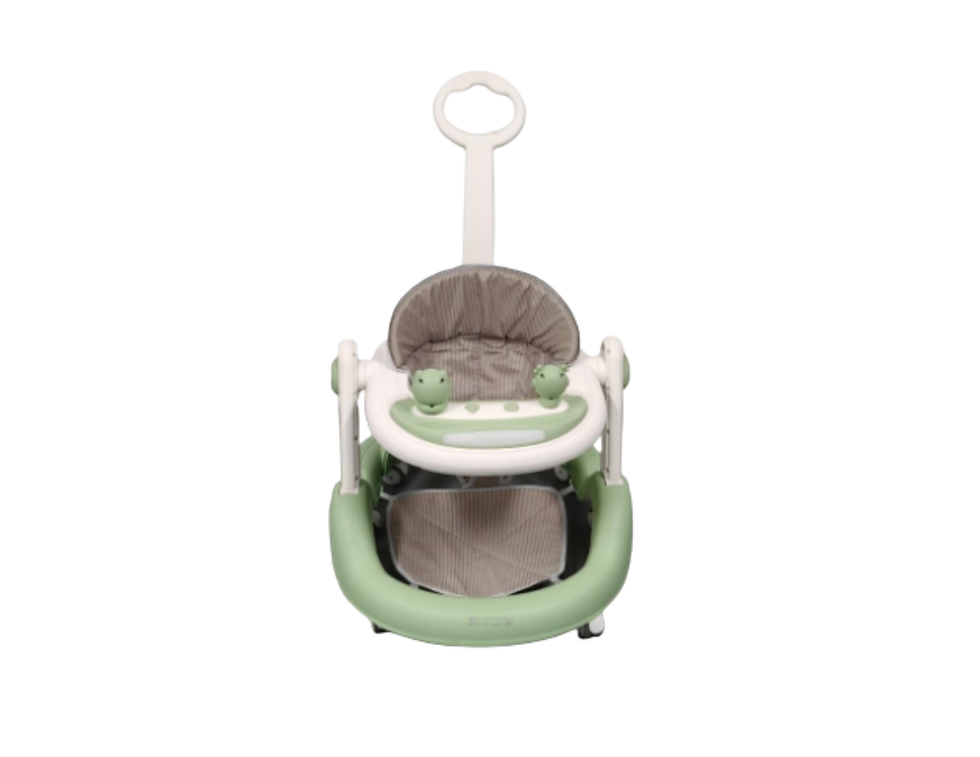
The recalls below highlight products recently identified as potential safety risks and are especially relevant to resale, consignment, and thrift stores. This isn’t a complete list. Visit the official recall websites below to search for additional products and review complete recall instructions.




Search For Additional Recalls
Product recalls are issued and updated regularly. Before accepting or selling an item, search the official recall databases for the most current product information.
Food and Drug Administration | FDA
Check for Recalls, Market Withdrawls, and Safety Alerts
-
Monitors and announces recalls involving food, medications, medical devices, cosmetics, and other FDA regulated products.
-
Provides recall details, affected product information, health risks, and instructions for consumers.
Most of us got into resale because we love the hunt, the stories, the second chances. We like giving good things a new life and helping customers feel good about what they take home. Safety does not always feel like part of that story. Until it is.
When an item is sold secondhand, customers are not thinking about who made it or how old it is. They are thinking, “I found this at a store I trust.” That trust is quiet, but it is powerful.
Recalls can show up years after a product was made. Items can look solid, clean, and perfectly usable, especially things like furniture, heaters, baby gear, or older household items. Nothing about them screams problem. That is what makes this tricky. Knowing about recalls is not about catching mistakes. It is about being prepared.
How this helps your customers
-
It gives them peace of mind they did not know they needed.
-
It removes the burden of research from their shoulders.
-
It keeps them safe in ways they may never see.
How this helps your store
-
It gives your team clarity at intake.
-
It reduces awkward conversations later.
-
It protects the trust you have worked hard to build.
This is not about knowing everything. It is about knowing where to look and when to pause AND about training your team. The safety databases exist to support that moment. They turn uncertainty into confidence and guesswork into policy.
Resale has grown and matured. Customers are asking more thoughtful questions. Standards are rising. That is a good thing. Paying attention to safety and recalls is simply part of caring well for the people who walk through your door. It is another way of saying, “We thought about this for you.”
That kind of care does not shout. It shows.
Why Recalls Matter
The Hard Line List
These are the items that should never be taken in resale, recalled or not
-
Car seats of any kind
-
Cribs that do not meet current safety standards or are missing hardware
-
Drop side cribs under any circumstance
-
Used helmets for bikes, motorcycles, sports
-
Mattresses without proper tagging or sanitation compliance
-
Recalled children’s products of any kind
-
Infant sleepers that do not meet current safe sleep standards
-
Inclined sleepers for babies
-
Baby walkers
-
Cedar chests with latch style locks
-
Any item with exposed lead paint risk intended for children
-
Used medical devices
-
Space heaters that are older or lack modern safety shutoffs
If you sell children’s products, the responsibility is greater. When safety is in question, don’t take chances. Always err on the side of caution.